Betzino Casino France: User Manual 2026

In 2026, follow a clear path: account, deposit, game selection, withdrawals, limits and support, from France.

Play Now!
Slot Fortune Gems 2

Table of contents

  • The Dog House Megaways Slot
  • Lucky Joker 10 Extra Gifts Slot
  • Sword of Ares Slot
  • Floating Dragon Hold & Spin Slot
  • Leprechaun Riches Slot
  • Fruit Cocktail Slot
  • The Dog House Megaways Slot
  • Sword of Ares Slot
  • Fruit Million Slot
  • The Dog House Megaways Slot
  • Fruit Box Slot
  • Big Fisherman Slot
  • Seven Books Unlimited Slot
  • Betzino Casino Fortune Slot
  • Sword of Ares Slot
  • Floating Dragon Hold & Spin Slot
  • 9 Mad Hats Slot
  • Floating Dragon Hold & Spin Slot
  • Big Bass Splash Slot

Slot Games


  • Coin Volcano Hold and Win 3x3 Slot
  • Green Chilli 2 Slot
  • Winter Star Bonus Buy Slot
  • Eggs of Gold Slot
  • Book of Wizard Double Chance Slot
  • Bonanza Billion Slot
  • Miss Cherry Fruits Jackpot Party Slot
  • Neon Capital Slot
  • Money Minter Slot
  • Hockey Shootout Slot
  • Mega Greatest Catch Bonus Buy Slot
  • Black Wolf 2 Hold and Win Slot

Crash Games


  • Ninja Crash Slot
  • Balloon Slot
  • Cricket X Slot
  • Crash Duel X Slot
  • Space XY Slot
  • Crash Slot
  • JetX Slot
  • Spaceman Slot
  • JetX 3 Slot
  • Crash Royale Slot
  • Stormy Witch Slot
  • Ho Ho Hodl Slot

Live Dealers


  • Baccarat Dance by Vivo

    Baccarat Dance

  • Boom City by Pragmatic Play

    Boom City

  • Emerald Blackjack by Pragmatic Play

    Emerald Blackjack

  • Roulette Las Vegas by Vivo

    Roulette Las Vegas

  • Lucky 6 Roulette by Pragmatic Play

    Lucky 6 Roulette

  • Roulette Live by Betgames

    Roulette Live

  • Limitless Blackjack by Vivo

    Limitless Blackjack

  • Sweet Bonanza Candy Land by Pragmatic Play

    Sweet Bonanza Candy Land

  • Gravity Sic Bo by Iconic 21

    Gravity Sic Bo

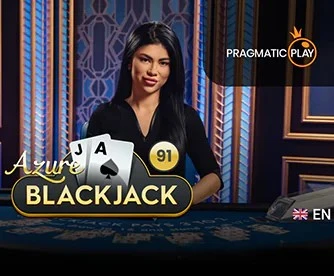
  • Azure Blackjack by Pragmatic Play

    Azure Blackjack

  • Roulette Live by LiveGames

    Roulette Live

  • Baccarat Caribbean by Vivo

    Baccarat Caribbean

  • Playson
  • Playtech
  • Pragmatic Play
  • Novomatic
  • PG Soft
  • Amatic
  • Evolution
  • Belatra
  • NetEnt
  • Play'n'GO

Why Choose Betzino Casino French In France

Imagine you want to "quickly test" after a busy day. You open the interface, you see offers, you click, and you realize you haven't set any rules. This is often where the session extends without conscious decision.

Play Now!
home 1

If you are playing from France, start by setting the framework: access reserved for adults (18 and over), and for entertainment only. Then, think "process" rather than "chance". An organized player does three things before starting a game: they decide on a maximum budget, a session time, and a clear stopping point (for example, when the limit is reached, even if the evening is not "over").

In practice, the best way to start is to read the interface like a dashboard. Where is the history? Where are the limits managed? How to contact support? Many people discover these elements when a problem arises, whereas it only takes two minutes at the start to save time later.

Finally, keep it simple: you don't need to test everything. It's better to learn a small number of games, understand their rhythm, then decide whether or not to continue. When you play "randomly," you increase the number of impulsive decisions. When you play with a plan, you take back control.

home 2

Betzino Online Casino: Navigation and First Reflexes

If you have already used a recent banking app, you see the parallel: it's fluid, so it flows. Imagine a session where you move from one game to another, then you no longer know how much you have committed in total. The problem is not the platform, it's the lack of benchmarks.

Play Now!

Start by structuring your navigation. Create a favorites list and limit it to two or three games. Then decide on a starting bet that gives you room: the goal is not to go fast, it's to last long enough to stay calm. A bet that is too high accelerates fatigue and pushes you to "repair" instead of playing.

Then, set your micro-session rules. For example: only one session, only one game category, and a short break every 10-15 minutes. This break has a simple effect: it breaks the automatism. Often, players discover that they continue only because they have never made this mini-stop.

In 2026, security and personal control have become basic actions. If enhanced verification is available, activate it. If deposit or time limits exist, use them from the start. This is not "restricting yourself," it's avoiding the scenario where you have to resist every minute.

Betzino Casino FR: Account, Deposit, and Withdrawal

Imagine you are ready to play, then a detail blocks the action: a missing field, a confirmation, a profile step to complete. This often happens when you sign up too quickly, then discover the requirements at the wrong moment. The solution is simple: prepare the account cold, before the first "serious" session.

Play Now!
home 3

Start by filling your profile with consistent and stable information. Use a unique password, avoid shared devices, and maintain a clean login routine (log out if you're using a computer that isn't yours). Then locate the section where limits are managed: this is the place that helps you stay within the framework you've chosen.

Next, think "consistency" between deposit and withdrawal. Security checks are simpler when your information is stable and you don't change methods every other day. Nothing complicated: avoid modifying sensitive data while a request is pending, and follow the steps in order.

Playing On Betzino Casino Online Without Getting Scattered

Imagine you start a game, things go wrong, and you immediately switch games "to start over." Many players do this, then end up piling up choices instead of following a strategy. Getting scattered costs more than bad luck.

The simplest method is to choose only one game per session and stick to it. You set a base stake, play for a defined time, then take a break. If you want to adjust, do it after the break, not under emotion. And if you feel frustration building, change your pace (pause, stop), not your risk level.

Another useful habit: check your action history. Not to "analyze luck," but to verify that you are sticking to your plan. When you see in black and white that the stake has increased, you regain awareness. This is often enough to avoid the "just a little more" that gets out of hand.

Verify Identity and Secure Profile

Imagine you request a withdrawal, then you're asked for additional validation, and you're in a hurry. Frustration quickly mounts, especially if you had other plans for those funds. Anticipating these steps makes the experience much smoother.

Complete your profile from the start, keep legible documents if a verification is requested, and avoid inconsistencies between your information and your payment method. A simple rule helps: do not change sensitive data in the middle of a request. If an item needs correction, do it outside the processing period, or with the help of support.

Finally, protect access. Lock your device, avoid connecting to public networks if possible, and do not leave your session open in the background. These actions seem obvious, but they are what prevent surprises.

Deposits: Methods, Budget, and Validation

Imagine you deposit "a small amount," then you start over because the stake seems too low. In three minutes, your budget has doubled without a clear decision. The best protection is to turn the deposit into a single action.

Choose a fixed sum for the session and consider it committed from the start. Before confirming, review the final screen: amount, any fees, validation method (sometimes a bank confirmation). And if a deposit limit exists, activate it. You won't lose enjoyment, you'll gain control.

Withdrawals: Tracking, Documents, and Patience

Imagine you refresh the status every two minutes. You gain nothing but stress, and sometimes the urge to play again "while waiting." The right approach is to track a withdrawal like a file: date, amount, method, status.

Check if an action is expected (document, confirmation, internal message). If nothing is requested, allow a reasonable delay. Avoid canceling and recreating the request: this often restarts the processing. And if you contact support, be factual: this speeds up the response and avoids unnecessary back-and-forth.

Payments and Withdrawals: Choosing the Right Method

Imagine you finish a winning session and want to "cash out quickly," without thinking. You choose a random option, then discover an extra step that slows you down. The problem isn't the method itself, it's improvisation.

The most effective rule is simple: choose your method before playing, not after. Keep a primary solution and a backup solution. Check limits, validation, and maintain stable information. This way, you avoid multiplying attempts when something doesn't work the first time.

In France, comfort often comes from routine. The more you repeat the same process (deposit, play, request a withdrawal, track status), the smoother it is. And most importantly, you avoid the most common trap: changing three parameters at once, then no longer knowing what triggered a check.

Practical Topic

Why It Matters

Simple Habit To Adopt

Method Choice

Reduces surprises when paying

Decide before the session, not during

Limits and Thresholds

Avoids "cascading" deposits

Read the limits then set a budget

Validation

Decreases transaction failures

Check the requested confirmation

Request Tracking

Calms waiting and avoids impulsivity

Note date, amount, status

Profile Stability

Simplifies security checks

Do not modify during processing

Contact Support

Speeds up resolution

Factual and structured message

Depositing With A Clear Budget Plan

Imagine you deposit without a plan, then you "add a little" every time your spirits drop. It's like filling a shopping cart at the supermarket without a list: you end up with too many things, but not what you wanted. A gaming budget works exactly the same way.

Decide on a maximum amount per session and a weekly limit if you play often. Then, convert the amount into units: how many base stakes does this represent? This question makes the budget tangible. Finally, forbid yourself from "hot" reloads: if you truly want to add more, impose a long break, ideally 24 hours.

This plan protects you when emotion appears. Instead of "resisting," you apply an already decided rule. And that's precisely what makes the difference in the long run.

Withdraw Without Blocks or Unnecessary Stress

Imagine you request a withdrawal, then decide to modify your profile "while it's processing." You create two simultaneous movements, and you increase the chances of a verification. Comfort comes from stability.

Before requesting a withdrawal, ensure your profile is complete and consistent. Then, submit the request and let it run its course. Check the status at fixed times (for example, once in the morning, once in the evening), not every minute. This routine reduces stress and avoids the temptation to play again "while waiting."

If a verification is requested, respond properly: legible documents, accurate information, and patience. The goal is not to go fast at all costs, but to avoid back-and-forth that prolongs everything.

Managing a Delay With an Effective Support Request

Imagine writing 'it's not working' when you're annoyed. Support has to guess, sends you back questions, and you lose time. One precise message is worth ten emotional ones.

Structure your request: what you were doing, when, what amount, what method, and what status you see. Add the device type if it's related to the display. Never share sensitive information, but be clear about the facts. Then, let the response time work instead of multiplying parallel requests.

One last reflex: keep a single conversation thread. When messages are scattered, resolution slows down. When you keep it simple, everything moves faster.

Mobile Experience, Bonuses, and Responsible Gaming

Imagine a session on public transport: small screen, quick gestures, interrupting notifications. In this context, you click faster, think less, and exceed your limits without realizing it. The solution isn't to 'promise' yourself to be reasonable, it's to use concrete tools.

Start with a short session and a stable stake. Then, activate limits if available: deposit, loss, time. By 2026, these options exist precisely to avoid scenarios where one gets carried away. And remember the essential framework: reserved for adults (18 and over) and designed for entertainment, not to solve a money problem.

Finally, distinguish between 'playing' and 'chasing'. If you play for fun, the plan holds. If you play to catch up, the plan breaks. At that point, the best decision is often a break.

Playing on Smartphone with a Short Routine

Imagine starting a game, then a message arrives, then you return without checking your stake. You resume without a benchmark, and the session becomes automatic. On mobile, the routine must be minimal but strict.

Before starting, turn off non-essential notifications for 15-20 minutes. Check the balance, confirm the base stake, then play. At the end, close the application completely, not just the screen. This simple action prevents restarting 'out of habit' a few minutes later.

If you want an easy rule to remember: I check, I play, I close. It seems simple, and that's precisely why it works.

Understanding Promotions Without Surprises

Imagine activating an offer because it seems advantageous, then discovering a condition that complicates a withdrawal. Frustration often pushes you to continue instead of stopping. To avoid this, you must understand the general logic before accepting.

Check how the offer is triggered, which games count, and what happens if you attempt a withdrawal during the active period. If it's unclear, don't activate it. Playing without a promotion can be more comfortable, especially if your priority is a simple session and total control.

A practical rule helps a lot: if you can't explain the offer in a simple sentence, you're not ready to accept it.

Contacting Support With The Right Information

Imagine writing to support when you're already annoyed. The message becomes vague, the response asks for clarification, and you feel like nothing is progressing. However, support responds better when you speak 'like a case file'.

Say what you were doing, what you expected, and what you see. Add the device and time if helpful. For a transaction, indicate the amount, method, date, and displayed status, without disclosing sensitive information. The clearer your message, the more direct the response can be.

Then, avoid dispersion. A single request, a single thread, short and factual follow-ups. This is often what transforms waiting into a solution.

Breaks and Self-Exclusion: When to Use Them

Imagine restarting without desire, just to avoid 'ending like that'. You're no longer in entertainment, you're reacting. At that moment, break tools are not a detail, they are the best levers.

Start with a short break. If the pattern returns, increase the duration. Add deposit and time limits to create automatic barriers. And if you can't stick to your rules despite everything, a temporary exclusion is a protective decision, not a failure.

The goal is simple: regain control before the game takes over too much. Often, the best session is the one you stop at the right time.

Conclusion: A Simple Method That Holds Up

Imagine telling yourself 'this time I've got it', then the fatigue of a complicated day makes you forget your rules. It happens to everyone. What endures isn't motivation, it's method.

Prepare the account, set limits, choose a base stake, play for a defined time, then close. For withdrawals, anticipate verifications, follow the status at fixed times, and contact support with a factual message if necessary. The framework remains the same: reserved for adults (18 and over) and designed for entertainment.

If gaming becomes an emotional response to stress, take a break. This decision is often the smartest, and the most difficult. It is also the one that protects your balance.

Moving From Trial to a Controlled Habit

Imagine a short first session: a stable stake, a break, then closing. Then, you do a mini-review: did I respect my time, my budget, my plan? This review is worth more than all promises.

Adjust only one setting at a time. One week, you work on the time limit. The next, the deposit limit. Don't change everything at once, otherwise you won't know what really helps you. And if you feel like you're losing control, use a break or temporary exclusion without hesitation: it's proof that you're maintaining control, not the opposite.


FAQ

Decide on an amount you are willing to lose without impacting your essential expenses, then convert it into stake units to make it concrete. Imagine your budget represents 80 base stakes: you visualize the possible duration and avoid increasing the stake under emotion. Add a timer and a clear stopping point, then adhere to it even if the session 'seems unfinished'. The budget is not an intention; it's a rule you apply.

Start by checking if an action is expected from your side: confirmation, document to provide, or internal message. Imagine canceling and restarting several times hoping to go faster: you primarily risk restarting the processing. Note the date, amount, method, and status, then allow a reasonable time to pass before following up. If you contact support, send a factual message with these elements, without sensitive data, to get a faster response.

Set the duration before starting and use an external timer, not a promise 'I'll be careful'. Imagine being absorbed by the rhythm: you won't notice time passing and you'll postpone stopping with each restart. Prepare a short break every 10-15 minutes to break the automatism, then close the application completely at the end (not just the screen). This simple action significantly reduces 'reflexive' restarts.

Not necessarily, especially if you're looking for a simple and controlled session. Imagine accepting an offer without understanding it, then discovering a condition that complicates your choices: frustration pushes you to continue instead of stopping. Before accepting, check the general logic: triggering, affected games, and possible consequences if you attempt a withdrawal during the period. If you cannot explain the offer in a simple sentence, it's better not to activate it.

Write a sentence about the problem, then add the essential context: device, time, exact action, and displayed message. Imagine a team that has to guess your situation from an 'it's not working': they will send you back questions, and the exchange will lengthen. For a transaction, indicate amount, method, date, and visible status, without sharing sensitive information. Then keep to a single discussion thread and follow up concisely and factually if necessary.

As soon as you play automatically, exceed your limits, or try to recover a loss. Imagine opening the app because you're stressed, not because you want to play: that's a clear signal. Start with a short break, then increase the duration if the pattern returns. If you can't stick to your rules despite everything, a temporary exclusion is a protective decision: it breaks the loop and gives you breathing room.

Play Now